Get the 2026 Inmate Contraband Field Guide
Learn How to Secure Mail Operations
Download the Contraband Field Guide to understand the evolving ways contraband is smuggled through the mail, how to protect your facility, & stop hidden threats.

All-in-One
MailSecur combines multiple technologies to detect liquids, powders & traditional threats.
Powders & Liquids
Powders and liquids are the most common 21st Century mail-borne threats. No other technology detects the small amounts of them that MailSecur does.
4D Video Imaging
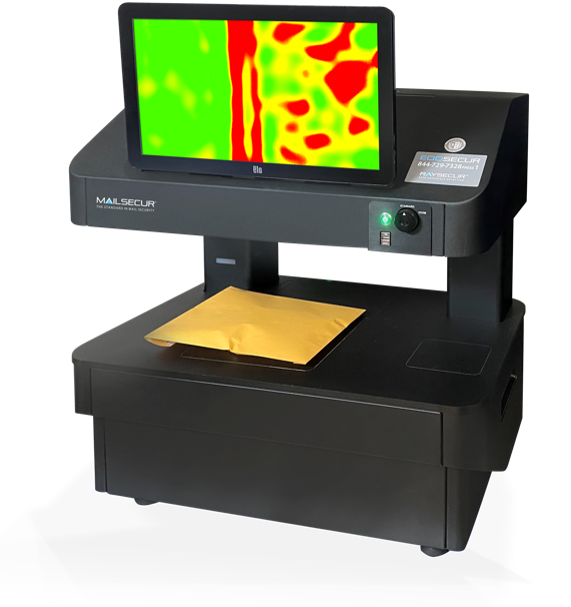
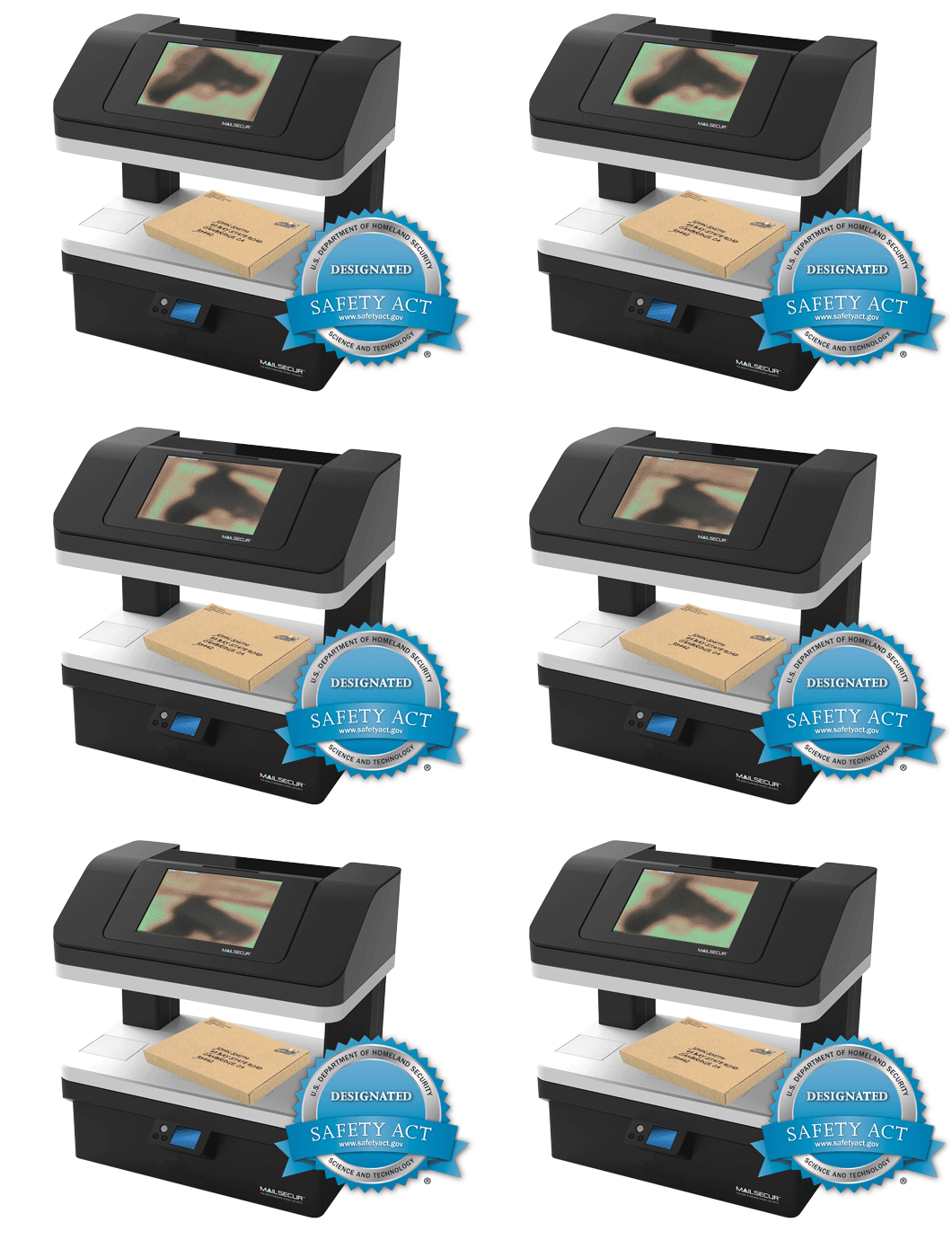
MailSecur displays a dynamic, 4D video of mail contents in real-time and is safe for the operator to use.
Download 2026 Inmate Contraband Field Guide
Protecting your facility with state-of-the-art scanning technology.
Get the 2026 Inmate Contraband Field Guide & Learn How to Secure Mail Operations
Get Your Free Field Guide
Discover the Future of Mail Security
Discover best practices in mail safety and drug interdiction for Corrections. Understand the evolving ways contraband is smuggled through the mail, how to protect your facility, & stop hidden threats.
See how MailSecur uses advanced Terahertz technology to detect drug-soaked papers and hidden contraband, without opening letters or packages.
Detect with MailSecur
RaySecur’s MailSecur drug detection solution allows corrections staff to detect the smallest, hardest-to-find drugs that X-ray and other screening techniques can’t find. Drug detection can be performed without the need to open personal and legal mail–helping to keep officers, staff, and inmates safe.
- Drug-laced papers
- Suboxone Strips
- Powder or Liquids
Screening That Puts Safety First
With MailSecur, operators see what’s inside mail, small parcels and soft objects – without opening them. Built upon safe, T-ray technology, MailSecur is hands-on as users hold the unopened item in the field of view for a live 4D video of concealed contents. This screening method provides the ability to move the object for alternate views of the contents, improving contraband detection of closed objects. T-ray technology also provides better drug detection, identifying drug-laced papers by detecting differences in the paper that occur when it dries.